Welcome to Utsav Eye Clinic's comprehensive guide on Cataract Surgery In Kharghar. If you are seeking expert advice, state-of-the-art treatments, and trusted care, you are in the right place. Read on to understand the key facts, symptoms, and modern solutions associated with Cataract Surgery In Kharghar.
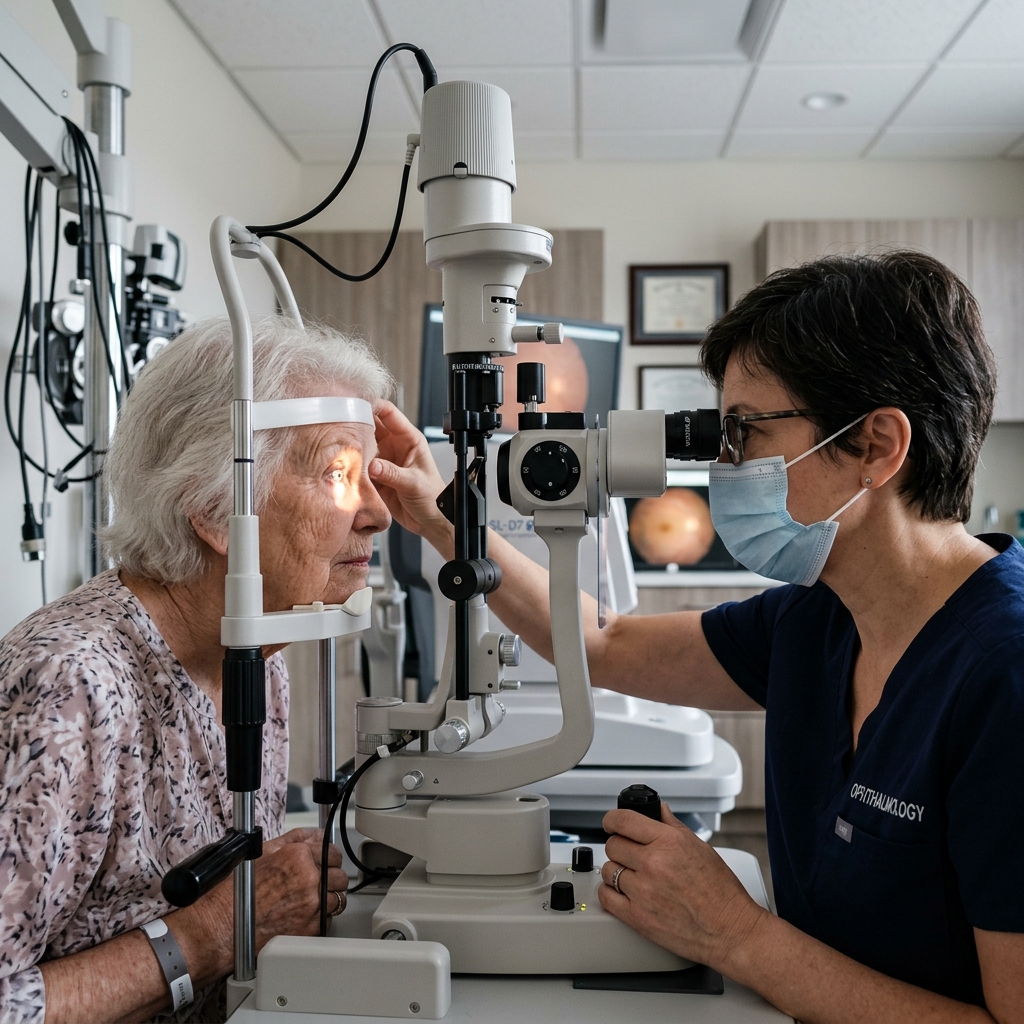
Everything you need to know about Cataract By Utsav Eye Clinic Kharghar, Navi Mumbai
If you’re over 50 and your vision has gotten blurry or cloudy, you may have cataracts. It’s a common condition in older adults, and it can be treated by your eye doctor. Dr. Anand Kumar, Cataract Surgeon in Kharghar discusses the common question regarding Cataracts,
What Is a Cataract?
A cataract is a dense, cloudy area that forms in the lens of the eye. A cataract begins when proteins in the eye form clumps that prevent the lens from sending clear images to the retina. The retina works by converting the light that comes through the lens into signals. It sends the signals to the optic nerve, which carries them to the brain.
Symptoms of Cataracts
Common symptoms of cataracts include:
- blurry vision
- trouble seeing at night
- seeing colors as faded
- increased sensitivity to glare
- halos surrounding lights
- double vision in the affected eye
- a need for frequent changes in prescription glasses
What Causes Cataracts?
There are several underlying causes of cataracts. These include:
overproduction of oxidants, which are oxygen molecules that have been chemically altered due to normal daily life
- smoking
- ultraviolet radiation
- the long-term use of steroids and other medications
- certain diseases, such as diabetes
- trauma
- radiation therapy
Types of Cataracts
There are different types of cataracts. They’re classified based on where and how they develop in your eye.
- Nuclear cataracts form in the middle of the lens and cause the nucleus, or the center, to become yellow or brown.
- Cortical cataracts are wedge-shaped and form around the edges of the nucleus.
- Posterior capsular cataracts form faster than the other two types and affect the back of the lens.
- Congenital cataracts, which are present at birth or form during a baby’s first year, are less common than age-related cataracts.
- Secondary cataracts are caused by disease or medications. Diseases that are linked with the development of cataracts include glaucoma and diabetes. The use of the steroid prednisone and other medications can sometimes lead to cataracts.
- Traumatic cataracts develop after an injury to the eye, but it can take several years for this to happen.
- Radiation cataracts can form after a person undergoes radiation treatment for cancer.
Risk Factors of Cataracts
Risk factors associated with cataracts include:
- older age
- heavy alcohol use
- smoking
- obesity
- high blood pressure
- previous eye injuries
- a family history of cataracts
- too much sun exposure
- diabetes
- exposure to radiation from X-rays and cancer treatments
Treatment of Cataracts
Surgery is the only way to get rid of a cataract, but you may not need to get surgery right away. Your doctor might suggest surgery if your cataracts start getting in the way of everyday activities like reading, driving, or watching TV. During cataract surgery, the doctor removes the clouded lens and replaces it with a new, artificial lens (also called an intraocular lens, or IOL).
If you’re unable or uninterested in surgery, your doctor may be able to help you manage your symptoms. They may suggest stronger eyeglasses, magnifying lenses, or sunglasses with an anti-glare coating.
Prevention of Cataracts
To reduce your risk of developing cataracts:
- protect your eyes from UVB rays by wearing sunglasses outside
- have regular eye exams
- stop smoking
- eat fruits and vegetables that contain antioxidants
- maintain a healthy weight
keep diabetes and other medical conditions in check
Dr. Anand Kumar
Utsav Eye Clinic
Utsav Eye Clinic: Eye Clinic in Kharghar | Eye Specialist Doctor
Why Choose Utsav Eye Clinic for Cataract Surgery In Kharghar?
At Utsav Eye Clinic in Kharghar, our priority is your vision and eye health. We employ advanced diagnostics and proven treatment protocols tailored to your unique needs. Whether you require a routine check-up, specialized pediatric eye care, or advanced surgical intervention, our experienced ophthalmologists are here to help.
Schedule Your Consultation Today